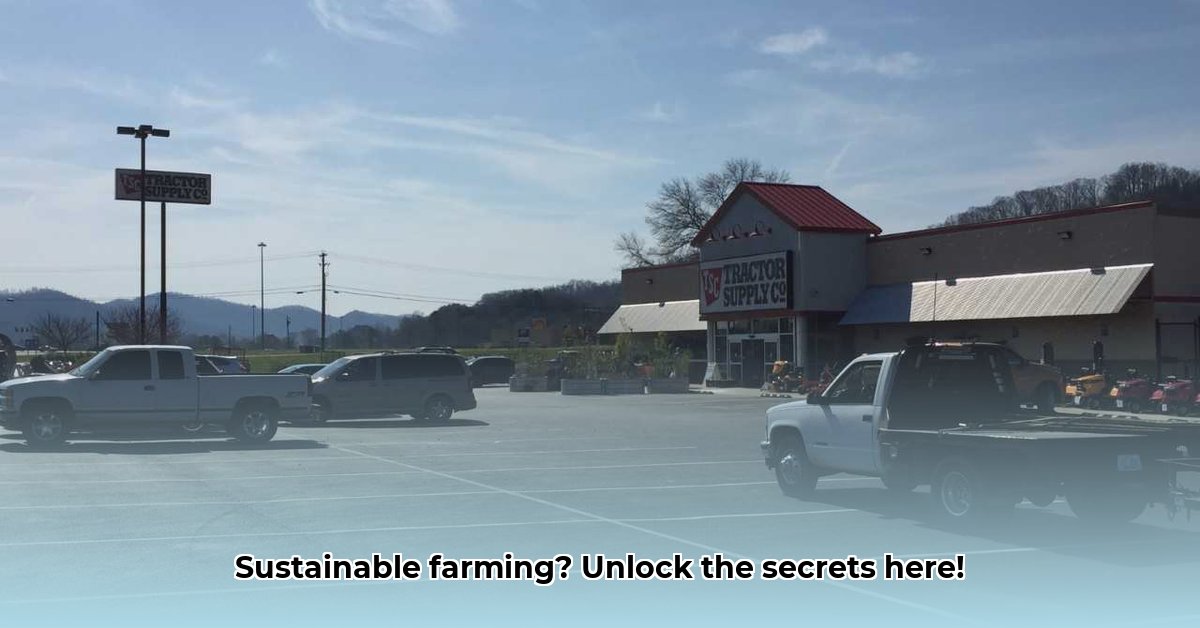
Tractor Supply Bluefield, WV: A Partner in Sustainable Agriculture?
West Virginia farmers face numerous challenges, including the increasing need to adopt sustainable agricultural practices. This article explores the potential role of Tractor Supply Company (TSC) in Bluefield, WV, in supporting this transition. While TSC offers a wide range of products, the extent of its direct contribution to sustainable farming in West Virginia remains unclear due to a lack of publicly available data. For operating instructions on some of the equipment TSC sells, see this helpful guide.
Assessing Tractor Supply's Current Contribution
Tractor Supply's extensive network of stores across West Virginia, including Bluefield, presents a significant opportunity to increase access to sustainable agricultural inputs. Their broad product range suggests potential for supporting diverse and sustainable farming practices. However, the absence of detailed data on sales of organic products or TSC’s overall environmental impact in the state hinders a complete evaluation. How many West Virginia farmers are already utilizing TSC products for sustainable practices, and to what extent? This critical information is needed to fully assess their current impact.
Essential Data Gaps: What We Need to Know
To accurately evaluate TSC's role, crucial data is lacking. Specifically, we need concrete figures on the sales of organic and sustainably sourced products and a clear picture of TSC's overall environmental footprint within West Virginia. Transparency regarding their supply chains – the origin of their products and the environmental standards they meet – is crucial. This information is essential for a comprehensive and informed assessment of their contribution to sustainable agriculture.
Actionable Steps to Enhance Sustainable Farming via Tractor Supply
Bridging this information gap and unlocking TSC's full potential requires a collaborative effort involving multiple stakeholders:
For Tractor Supply:
- Conduct a Comprehensive Sustainability Audit: A thorough evaluation of their West Virginia operations, focusing on their environmental impact and current sustainable practices, is paramount. This audit should identify areas for improvement and inform the development of a robust sustainability plan.
- Develop a Measurable Sustainability Plan: This plan should include specific, measurable, achievable, relevant, and time-bound (SMART) goals with clear timelines and targets for reducing environmental impact and increasing the availability of sustainable products.
- Expand Sustainable Product Offerings: Significantly increase the availability of certified organic animal feed, eco-friendly pest control solutions, and water-efficient irrigation systems. Partnering with local, certified sustainable producers can further enhance this initiative.
- Foster Local Partnerships: Collaborate directly with local businesses engaged in sustainable agriculture to source and stock their products, strengthening local economies and expanding consumer access to environmentally friendly options.
For West Virginia Farmers:
- Assess Existing Sustainable Options: Farmers should thoroughly review TSC’s current offerings to identify existing products that align with their sustainable farming practices.
- Provide Direct Feedback: Farmers must actively communicate their needs to TSC, highlighting specific sustainable products currently unavailable but in high demand. This direct feedback is essential for guiding product development and procurement.
For West Virginia Consumers:
- Make Informed Purchasing Choices: Actively choose sustainably produced goods whenever possible when shopping at TSC.
- Demand Transparency: Engage with TSC staff and management, inquiring about their sourcing practices and sustainability initiatives. This consumer pressure will encourage greater transparency and accountability.
For West Virginia Government Agencies:
- Facilitate Collaboration: Incentivize partnerships between TSC and local farmers through grants, subsidies, or other financial incentives to support the adoption of sustainable practices.
- Promote Supportive Policies: Implement policies that directly support sustainable agriculture, creating a favorable environment for businesses like TSC that are committed to environmental responsibility.
Navigating the Challenges: A Risk Assessment
While the potential benefits are significant, challenges remain. This risk assessment outlines potential obstacles and suggests mitigation strategies:
| Risk Factor | Likelihood | Impact | Mitigation Strategy |
|---|---|---|---|
| Low Consumer Demand for Sustainable Products | Moderate | Moderate | Implement targeted marketing campaigns highlighting the environmental and economic benefits of sustainable choices. |
| Higher Cost of Sustainable Products | High | Moderate | Explore subsidies, grants, and collaborative initiatives to reduce the cost barrier for both farmers and consumers. |
| Supply Chain Disruptions | Moderate | High | Diversify suppliers, establish robust relationships, and build resilience into the supply chain. |
| Lack of Standardized Sustainability Certifications | High | High | Advocate for and support the development of clear, standardized certifications to build consumer trust. |
| Negative Impact on TSC's Profits | Low | Moderate | Implement a phased approach, carefully monitoring market response and financial implications. |
Compliance with all relevant West Virginia environmental regulations is crucial for the long-term success of any sustainability initiatives. Failure to comply could result in significant legal and financial repercussions.
Sourcing Sustainable Supplies: A Practical Guide
West Virginia's growing commitment to sustainable agriculture demands readily accessible resources. TSC, with its widespread presence, can play a vital role. However, farmers need a strategic approach:
- Scrutinize Labels: Carefully examine product labels for certifications (e.g., USDA Organic) and details about sustainable production practices.
- Engage with Staff: Ask TSC staff about their sustainability initiatives, sourcing practices, and the availability of specific sustainable products.
- Explore Alternative Sources: When desired sustainable products are unavailable at TSC, consider local suppliers or online retailers specializing in organic and sustainably sourced goods.
- Advocate for Change: Communicate your demand for a wider selection of sustainable products to TSC management.
Ultimately, the success of sustainable agriculture in West Virginia hinges upon a collaborative effort involving farmers, consumers, government agencies, and businesses like TSC. This collective commitment to transparency, responsible practices, and environmental stewardship is crucial for creating a thriving and environmentally sustainable agricultural sector.